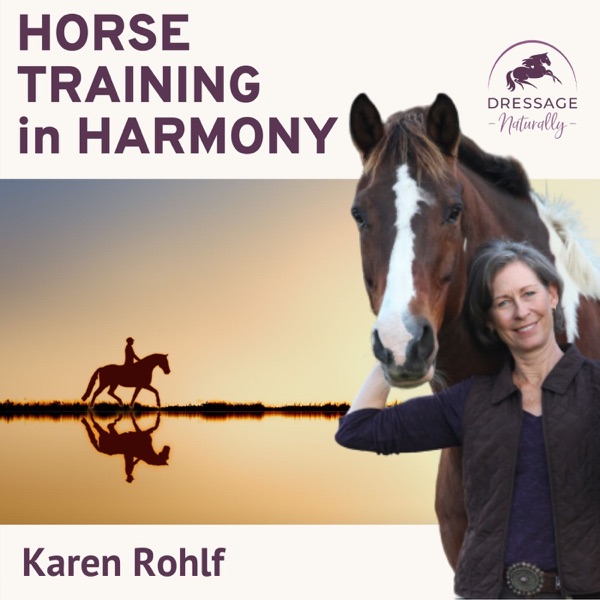
Horse Training Podcasts – Practical Knowledge for Building Better Horses
Horse training sits at the core of every successful equestrian outcome, regardless of discipline, breed, or level of competition. Whether developing a young colt, refining a seasoned performance horse, or correcting behavioral issues, effective training is built on timing, feel, consistency, and clear communication. Horse training podcasts have become one of the most efficient ways for riders, trainers, and owners to access high-level instruction, real-world experience, and evolving methodologies without being limited by geography or schedule.
These podcasts provide a comprehensive look at the full lifecycle of training, starting with foundational groundwork. Groundwork establishes respect, responsiveness, and trust—key elements that directly influence how a horse performs under saddle. Topics often include round pen work, leading exercises, pressure-and-release timing, and desensitization to build confidence. Trainers consistently emphasize that problems under saddle are often rooted in gaps on the ground, making this phase critical for long-term success.
As training progresses, podcasts shift into under-saddle development, where riders focus on balance, control, and communication through seat, hands, and legs. Listeners gain insight into transitions, softness in the bridle, collection, and proper body positioning to create a responsive and willing horse. Across both Western and English disciplines, the principles remain consistent—developing a horse that moves with purpose, stays mentally engaged, and responds with minimal resistance.
A major value of horse training podcasts lies in problem-solving. Many horses present challenges such as refusal, spooking, lack of forward motion, or resistance to cues. Podcasts frequently break down these issues into their root causes, whether they stem from confusion, fear, inconsistency, or physical discomfort. Trainers share practical strategies to address these problems step by step, helping listeners approach situations with a more analytical and patient mindset rather than reacting emotionally.
Colt starting and young horse development are also central themes. Bringing a young horse along correctly requires a structured approach that balances exposure, repetition, and rest. Podcasts often outline how to introduce saddles, riders, and new environments while minimizing stress and maximizing learning. This stage is where long-term habits are formed, and experienced trainers stress the importance of not rushing the process, allowing the horse to build confidence at each step.
Beyond technique, horse training podcasts explore conditioning, nutrition, and overall horse management as part of a complete program. Performance is directly tied to physical health, and discussions often include feeding programs, muscle development, injury prevention, and recovery strategies. Riders learn how to structure training schedules that build strength and endurance without overworking the horse, ensuring longevity and consistent performance.
Another critical element covered is the mental aspect of training—for both horse and rider. Horses are highly perceptive animals, responding to subtle cues and emotional states. Podcasts frequently address how a rider's mindset, confidence, and timing influence outcomes in the arena. Learning to remain calm, consistent, and intentional can significantly improve communication and reduce resistance, leading to more productive training sessions.
The accessibility of podcasts makes them uniquely suited to the equestrian lifestyle. Whether hauling to events, working in the barn, or managing daily routines, riders can continuously absorb knowledge and apply new concepts in real time. This ongoing exposure to expert insight accelerates learning and helps bridge the gap between amateur and professional-level understanding.
At Podcast Corral, the horse training podcast category is curated to deliver actionable, experience-driven content from respected voices across the industry. These podcasts are not just discussions—they are practical tools that help riders build better horses, solve problems more effectively, and progress with confidence. In a discipline where precision and consistency define success, access to this level of knowledge provides a meaningful competitive advantage.